Epigenetic Nutrition — Video Series

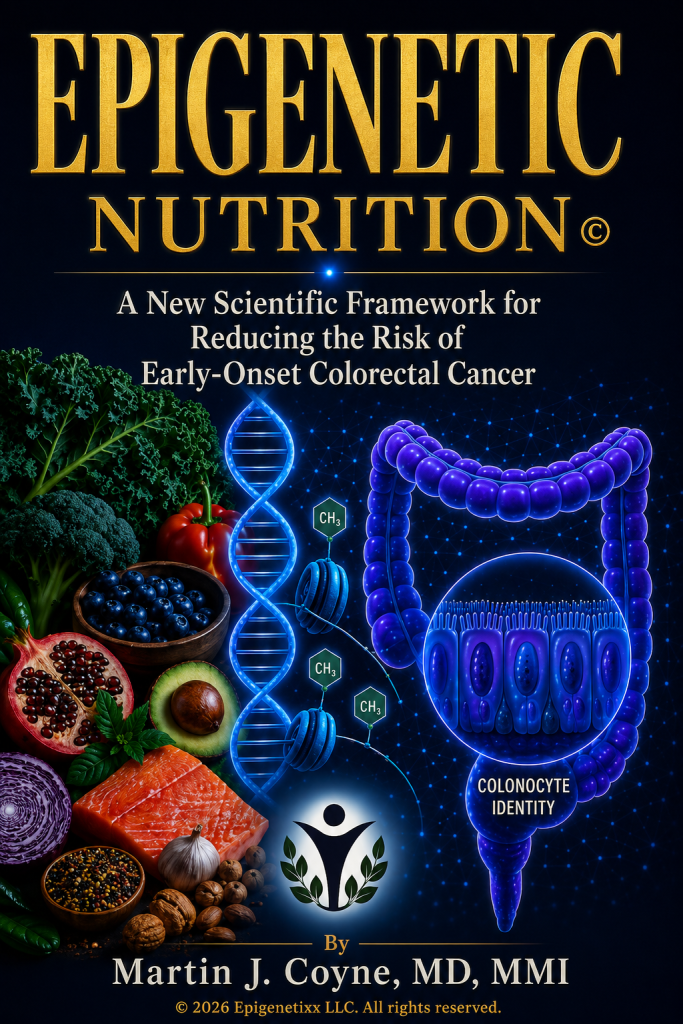
Epigenetic Nutrition book cover

Read • Watch • Explore

Food, the Microbiome, and Our Cells

An illustrated companion to Epigenetic Nutrition. Explore how food, gut microbes, and cellular processes connect—and how researchers study their relationship with colon health.

The journey moves from the biology to human studies, then to practical meals and everyday choices. Read at your own pace or follow the narrated video series.

Introduction + 15 episodes · About 47 minutes

Watch the Series

Begin with the introduction, then watch in order or choose a topic below. Select an episode title to open its video.

Start here: Introduction · 1:31

Use the video player’s captions control for English captions. Each video plays once and stops at the end.

01The Colon: A Remarkable Environment2:48 ▾
02Epigenetics: How Cells Use Their Genes2:54 ▾
03Fiber: Feeding the Microbial Community3:06 ▾
04Polyphenols: Plant Compounds Meet the Microbiome2:53 ▾
05Fiber and Polyphenols: Working Together2:58 ▾
06Protein and the Balance of Fermentation3:16 ▾
07Dysbiosis: When the Microbial Community Changes2:39 ▾
08When Cellular Metabolism Changes3:11 ▾
09The Butyrate Paradox2:47 ▾
10Fiber and Cancer Risk: What Human Studies Show3:24 ▾
11Polyphenols: What Intervention Studies Tell Us3:07 ▾
12Meal Timing: Another Part of the Picture3:07 ▾
13The Epigenetic Diet: From Ideas to Meals2:52 ▾
14Putting the Plan into Practice3:11 ▾
15A New Way of Thinking About Food3:12 ▾

Companion to Episode 14

Seven-Day Meal Example

Illustrative adaptation of the book, not a calculated daily intake. Adjust quantities and add food or snacks as needed. Substitute for allergies, preferences, and medical requirements.

Day 1

Breakfast: Oats, berries, ground flaxseed, and plain yogurt or a suitable soy alternative

Lunch: Lentil and chickpea bowl with whole grain and cooked broccoli

Dinner: Fish or tempeh, potatoes, and mixed vegetables

Day 2

Breakfast: Chia pudding made with milk or fortified soy beverage, topped with berries or pomegranate

Lunch: Lentils, leafy greens, vegetables, whole grain, and olive-oil dressing

Dinner: Tempeh with vegetables and brown rice

Day 3

Breakfast: Oats with apple, ground flaxseed, and yogurt or soy alternative

Lunch: Quinoa, chickpeas, cooked cruciferous vegetables, and seeds

Dinner: Lentil and vegetable stew with whole-grain bread

Day 4

Breakfast: Oats, berries, and yogurt or soy alternative; optional unsweetened cocoa

Lunch: Mixed-bean and grain salad with vegetables and herbs

Dinner: Vegetable and tofu stew with whole grain; optional miso for flavor

Day 5

Breakfast: Oats with banana, seeds, and yogurt or soy alternative

Lunch: Chickpea and safely chilled potato salad with vegetables

Dinner: Tofu, vegetables, and a whole grain

Day 6

Breakfast: Oats, berries, and yogurt or soy alternative

Lunch: Lentils and whole grain with cooked broccoli, kale, or Brussels sprouts

Dinner: Fish or tofu, vegetables, and potatoes or whole grain

Day 7

Breakfast: Repeat a preferred breakfast

Lunch: Bean and vegetable soup with whole-grain bread

Dinner: A freshly prepared or safely stored meal combining protein, vegetables, and a grain or potato

Preparation and substitutions

  • Repeat ingredients across meals; vary herbs, vegetables, and preparation rather than buying a new set of foods every day.
  • Use beans or lentils as alternatives within the lunch bowls. Use fish, tofu, or tempeh according to preference and suitability; portions are not nutritionally interchangeable gram for gram.
  • For make-ahead foods, divide into shallow containers and refrigerate within two hours, or within one hour above 90°F. Keep refrigerated at 40°F or below. Use refrigerated leftovers within 3–4 days or freeze for later. Reheat leftovers to 165°F. Follow any stricter product-specific instructions. USDA guidance
  • The plan requires neither fiber powders nor extracts. It also does not require raw sprouts, a low-calorie day, or a fixed fasting window.

Continue Exploring